
The market for personal audio devices has grown rapidly over the last few years. Whether you use earbuds for music, gaming, workouts, online meetings, or entertainment, you have probably come across both wireless and true wireless models. Products like RS 125 Batman Style Wireless Earbuds have attracted attention from budget-conscious buyers, while technology platforms such as 99techpost often discuss the latest trends in wireless audio. Understanding the difference between wireless and true wireless earbuds can help you make a smarter buying decision.
At first glance, wireless and true wireless earbuds may seem identical. Both use Bluetooth technology and eliminate the need for a direct connection to your phone, tablet, or laptop. However, there are important differences that affect comfort, portability, battery life, and everyday use.
Many buyers researching RS 125 Batman Style Earbuds are often surprised to learn that not all wireless earbuds are truly wireless. Some models still include a cable connecting the left and right earbuds, while others remove every wire completely.
As wireless audio technology continues to improve, more consumers are exploring different earbud styles. Understanding how each type works can help you choose the option that best fits your lifestyle and listening habits.
Technology websites such as 99techpost frequently compare wireless audio devices because buyers want to understand what they are paying for and whether newer designs offer meaningful advantages over older ones.
What Are Wireless Earbuds?
Wireless earbuds use Bluetooth technology to connect to a device without a headphone cable.
However, many wireless earbuds still include a wire connecting the two earbuds together. This cable usually rests behind the neck or hangs loosely between the earbuds.
These products remove the need for a phone-to-earbud cable while maintaining a physical connection between both earbuds.
Common Features of Wireless Earbuds
Wireless earbuds often include:
- Bluetooth connectivity
- Built-in microphone
- Neckband or connecting cable
- Rechargeable battery
- Music and call controls
They remain a popular option for users who want wireless convenience without completely eliminating connecting cables.
What Are True Wireless Earbuds?
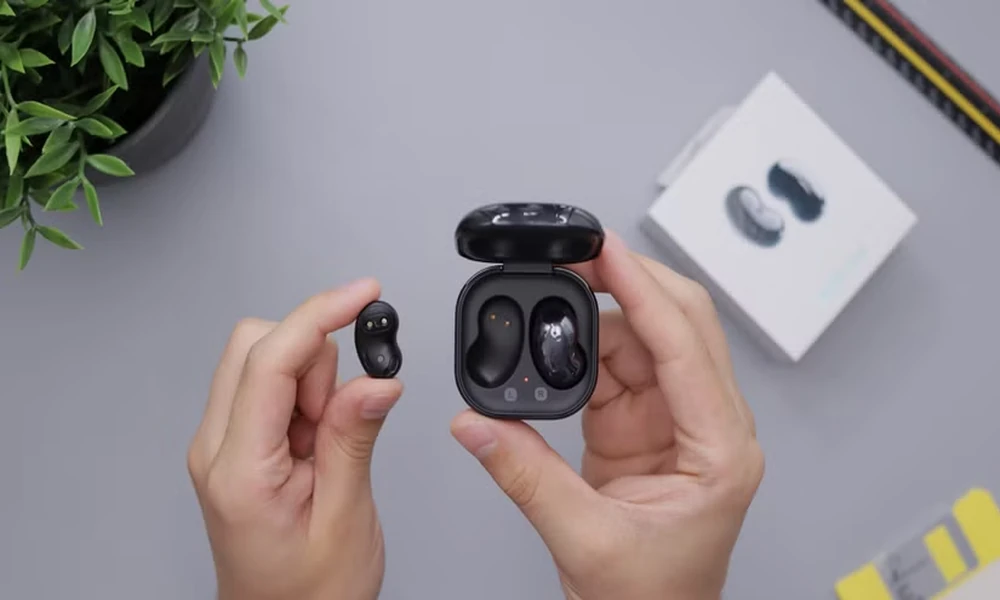
True wireless earbuds take wireless technology one step further.
There is no cable connecting the left and right earbuds. Each earbud operates independently while communicating wirelessly with both the audio source and the other earbud.
Most true wireless earbuds come with a compact charging case that stores and recharges the earbuds when not in use.
Common Features of True Wireless Earbuds
Most true wireless earbuds offer:
- Completely cable-free design
- Portable charging case
- Touch controls
- Voice assistant support
- Automatic pairing
- Advanced Bluetooth technology
Their compact design has made them one of the most popular audio products in recent years.
Key Differences Between Wireless and True Wireless Earbuds
While both options use Bluetooth, several differences affect the user experience.
Design
Wireless earbuds usually include a cable connecting the two earpieces.
True wireless earbuds have no connecting cable at all.
This makes true wireless models more compact and portable.
Portability
True wireless earbuds are generally easier to carry because they fit inside a small charging case.
Wireless earbuds with neckbands may require slightly more storage space.
Battery Life
Wireless earbuds often have larger batteries because the connecting cable or neckband can house additional battery components.
True wireless earbuds typically rely on the charging case for extended battery life.
Risk of Loss
Wireless earbuds connected by a cable are harder to lose.
True wireless earbuds are smaller and can be misplaced more easily if not stored properly.
Comfort
Comfort depends on personal preference.
Some users prefer the security of a neckband design, while others enjoy the lightweight feel of true wireless earbuds.
Wireless vs True Wireless Earbuds Comparison
| Feature | Wireless Earbuds | True Wireless Earbuds |
| Connecting Cable | Yes | No |
| Bluetooth Connection | Yes | Yes |
| Portability | Good | Excellent |
| Risk of Loss | Lower | Higher |
| Charging Case | Sometimes | Usually Included |
| Battery Capacity | Often Higher | Depends on Case |
| Convenience | High | Very High |
| Modern Design | Good | Excellent |
This comparison highlights the main differences between the two categories.
Advantages of Wireless Earbuds
Wireless earbuds continue to attract many users because of their practical design.
Longer Battery Performance
Many wireless models offer extended usage on a single charge.
Easier to Keep Track Of
The connecting cable makes them less likely to be misplaced.
Secure During Exercise
Athletes often appreciate the neckband design because it helps prevent accidental drops.
Cost-Effective
Wireless earbuds are often more affordable than premium true wireless models.
Advantages of True Wireless Earbuds
True wireless earbuds focus on maximum convenience and portability.
Completely Cable-Free Experience
No wires mean greater freedom of movement.
Compact Storage
The charging case makes transportation simple and convenient.
Modern Features
Many true wireless earbuds include:
- Noise cancellation
- Touch controls
- Automatic pairing
- Voice assistant integration
Better Everyday Convenience
Users can quickly place the earbuds in their ears without dealing with cables.
Which Option Is Better for Different Users?
For Fitness Enthusiasts
Both options work well.
Some users prefer wireless neckband models for added security, while others enjoy the freedom of true wireless designs.
For Travelers
True wireless earbuds are often easier to carry because of their compact size.
For Budget Buyers
Wireless earbuds may provide better value due to lower pricing and longer battery life.
For Professionals
True wireless earbuds often offer advanced features that support meetings, calls, and multitasking.
Factors to Consider Before Buying
Before choosing between wireless and true wireless earbuds, consider:
- Your budget
- Battery requirements
- Comfort preferences
- Portability needs
- Daily usage habits
- Risk of losing small devices
Evaluating these factors can help you find the right option for your lifestyle.
FAQs About Wireless and True Wireless Earbuds
Are true wireless earbuds better than wireless earbuds?
Not necessarily. True wireless earbuds offer greater convenience and portability, while wireless earbuds often provide longer battery life and lower risk of loss.
Do both types use Bluetooth?
Yes. Both wireless and true wireless earbuds rely on Bluetooth technology for connectivity.
Which type is better for workouts?
Both can work well. The best choice depends on your comfort preferences and activity level.
Are true wireless earbuds more expensive?
In many cases, yes. True wireless models often include advanced features and compact charging cases, which can increase the price.
Can I use either type with Android and iPhone?
Yes. Most modern wireless and true wireless earbuds are compatible with both Android and iPhone devices.
Final Thoughts
When comparing wireless and true wireless earbuds, there is no single answer that fits everyone. Wireless earbuds provide reliable performance, longer battery life, and a lower risk of loss thanks to their connecting cable. True wireless earbuds offer a cleaner design, better portability, and a completely cable-free experience that many users prefer today.
